Skip to content
Anchor for skip content
Page overlay

Brake Line Flaring Tools

A properly formed brake line flare creates the sealing surface where the tubing meets the seat inside a brake line fitting. The tube nut supplies the clamping force that holds those surfaces together. If the flare is uneven, cracked, or made to the wrong shape, brake fluid can escape when hydraulic pressures rise.
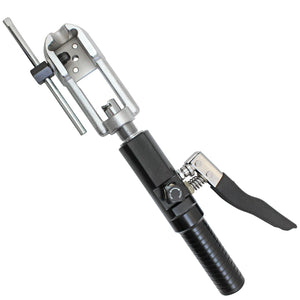
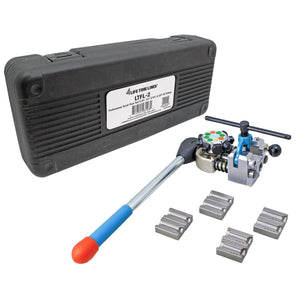
4Lifetime flaring tools help professional mechanics and capable DIY vehicle owners produce accurate brake line flares for fabrication and repair work. The collection includes portable manual designs, mounted shop tools, and hydraulic options for technicians who flare brake lines regularly.

LIFETIME QUALITY, COVERED — FOR LIFE
ZERO RISK, MAXIMUM CONFIDENCE
BUILT TO ENDURE. GUARANTEED TO PERFORM.
ONE PURCHASE. LIFETIME COVERAGE.
LIFETIME QUALITY, COVERED — FOR LIFE
ZERO RISK, MAXIMUM CONFIDENCE
BUILT TO ENDURE. GUARANTEED TO PERFORM.
ONE PURCHASE. LIFETIME COVERAGE.
🚚
Free Delivery For all US orders over $50
🔄
Easy Returns Risk-free returns
💳
Comfortable Payments 100% secure payments

Showing 1 — 5 of 5 Products

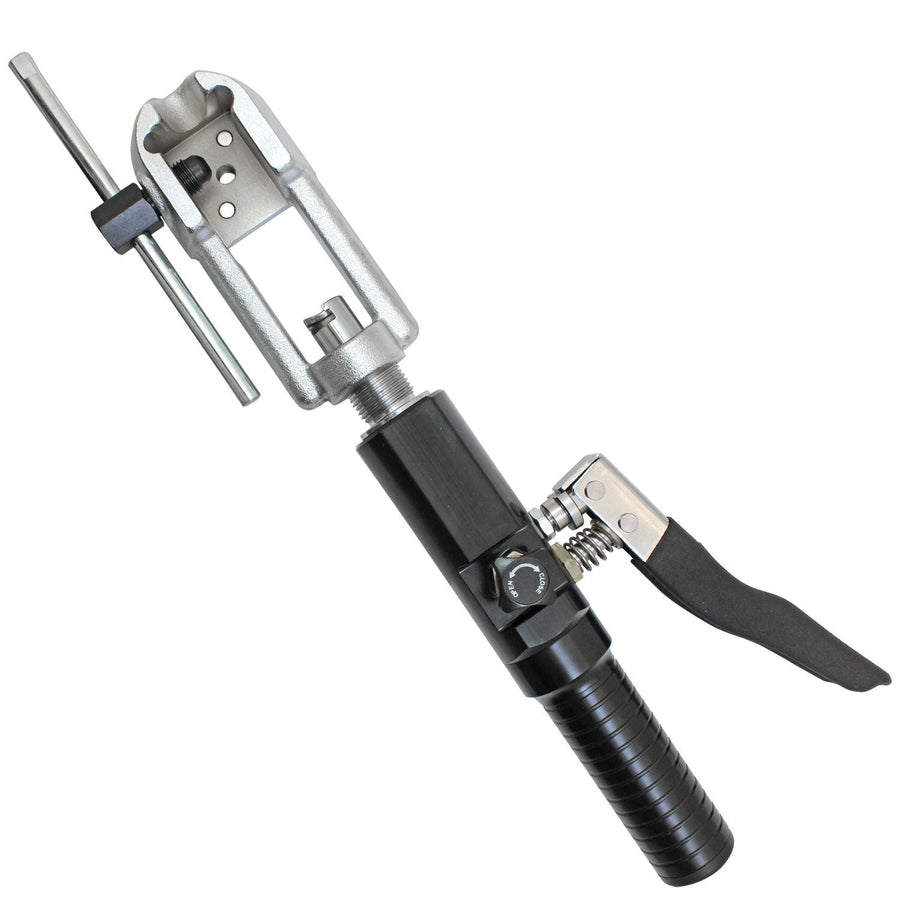
★ BEST SELLER Professional Hydraulic Brake Line Flaring Kit | 5-Die Set
4LifetimeLines
4.5
Rated 4.5 out of 5 stars
35 Reviews

Professional Hydraulic Brake Line Flaring Kit | 5-Die Set

★ BEST SELLER Professional Turret Brake Line Flaring Tool | Quick-Change Turret
4LifetimeLines
4.9
Rated 4.9 out of 5 stars
14 Reviews

Professional Turret Brake Line Flaring Tool | Quick-Change Turret

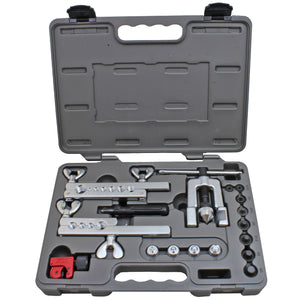
★ BEST SELLER Professional Brake Line Flare Tool Kit | SAE Double & ISO Bubble Flares
4LifetimeLines
4.4
Rated 4.4 out of 5 stars
8 Reviews

Professional Brake Line Flare Tool Kit | SAE Double & ISO Bubble Flares

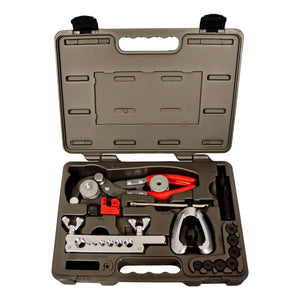
★ BEST SELLER Master Flaring Tool Set | SAE Double & ISO Bubble Flares
4LifetimeLines
4.7
Rated 4.7 out of 5 stars
9 Reviews

Master Flaring Tool Set | SAE Double & ISO Bubble Flares

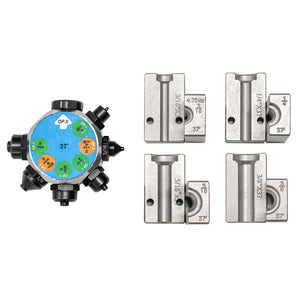
★ BEST SELLER Brake Line Flaring Dies for 3/16”, 1/4”, 5/16”, 3/8” Tubing
4LifetimeLines
5.0
Rated 5.0 out of 5 stars
2 Reviews

Brake Line Flaring Dies for 3/16”, 1/4”, 5/16”, 3/8” Tubing

Free Shipping

Free Shipping

Spend $50. We Cover the Rest.

Built to Endure

Built to Endure

No Weak Points. No Compromises.

Lifetime Warranty

Lifetime Warranty

One Purchase. Lifetime Coverage.

Trade Friendly

Trade Friendly

Tax-Exempt Pricing for Qualified Buyers.

Brake Line Flare Types

The required flare depends on the vehicle, fitting, and original brake system design. Thread engagement alone does not confirm compatibility. Automotive line flares vary by application, so the flare must match the seat inside the fitting.

SAE Double Flare

An SAE double flare folds the tubing wall back on itself before forming the final 45-degree sealing surface. It is also called an SAE inverted flare. The doubled material helps the flare withstand the high pressure found in hydraulic brake systems.

This is one of the most common types of flaring used on North American vehicles. A 45-degree single flare uses only one thickness of tube wall and lacks the folded reinforcement of a double flare. Never use a single flare for brake line repair.

ISO/DIN Bubble Flare

A bubble flare forms a rounded end that seals against a matching ISO/DIN fitting seat. This style is common on European vehicles and appears on many other applications.

SAE double and ISO bubble flares are not interchangeable. Before beginning a brake line replacement, identify the original flare and confirm the requirements for the vehicle.

The collection also includes 37-degree flaring dies for specialty tubing connections. These flares require matching 37-degree fittings and are not substitutes for SAE double or ISO bubble flares. Confirm the application and tool compatibility before ordering.

Brake Line Flare Types

Types of Brake Line Flaring Tools

Different automotive flaring tools suit different work environments. Available designs include:

  • Manual flaring tools: The Professional Manual Brake Line Flare Tool Kit (LTFT-P) uses a portable bar-and-yoke design with SAE and metric flaring components. It also includes tools for cutting and deburring the tubing. The Master Flaring Tool Set (LTFT-M) adds a manual tubing bender for basic line fabrication work.
  • Handheld and hydraulic tools: The Professional Hydraulic Flaring Kit (LTFL-3) combines handheld operation with hydraulic forming force. This design can reduce effort during frequent shop work and may be easier to position for certain on-vehicle repairs.
  • Vise-mounted and bench-mounted tools: The Professional Turret Brake Line Flaring Tool (LTFL-2) provides a stable setup for repeated fabrication. Its rotating punch turret and interchangeable retaining blocks support SAE double, ISO bubble, and 45-degree single flares. Single flares should only be used for approved non-brake applications.
  • Low-profile tools: Compact designs can help automotive technicians work around brake lines that cannot be easily removed from the vehicle. Available clearance should still be checked before selecting a tool for on-vehicle flaring.
Types of Brake Line Flaring Tools

Tubing Sizes and Material Compatibility

Most passenger-vehicle brake lines use 3/16″ or equivalent 4.75 mm tubing. Some trucks and other brake circuits use 1/4″ line. Always match the tool, retaining block, and forming die to the tubing’s outside diameter.

Material compatibility also varies by model. Selected 4Lifetime tools can be used with:

Nickel-copper tubing is easier to bend and flare than many steel materials. Stainless steel requires greater forming force, so it should only be used with a tool that specifically lists stainless compatibility. Copper and aluminum tubing may be supported by certain kits, but that does not make those materials suitable for high-pressure hydraulic brake lines.

Check the individual product specifications before choosing a tool. No single model should be assumed to support every diameter, material, or flare style.

Tubing Sizes and Material Compatibility

Features That Support Precise Flaring

Accurate brake line flaring depends on controlled tube alignment and forming pressure. Secure tubing clamps help prevent the line from slipping while the flare is formed. Properly matched precision dies shape the tubing around the correct profile.

Depending on the design, flare depth may be controlled through a die shoulder, tube-projection gauge, or another setting built into the tool. These features help the user position each tube end consistently.

A finished flare should be centered and evenly shaped. It should not show cracks, excessive wall thinning, or deep tool marks across the sealing surface. Even professional-grade equipment cannot compensate for damaged brake tubing, poor preparation, or the wrong die.

Features That Support Precise Flaring

Prepare the Tubing Before Flaring

Good preparation gives the flaring tool a clean, even tube end to work with.

Start with a square cut made by a tubing cutter sized for the line. Remove burrs from both the inside and outside edges without thinning the tube wall. Any remaining ridge can interfere with the die or leave the finished flare off-center.

Slide the tube nut onto the line before forming the flare. Make sure the threaded end faces the tube end to be flared. This simple check prevents the frustrating discovery that a finished flare must be cut off because the nut was forgotten.

Follow the tool instructions for tube projection and die placement. Once the flare is complete, inspect it before connecting the line. After installation, restore the brake-fluid level and bleed the system according to the vehicle manufacturer’s procedure. With the vehicle stationary, apply firm pedal pressure and check every connection for leaks before driving.

Prepare the Tubing Before Flaring

Choosing the Right Flaring Tool

Choose a tool by comparing:

  • The required flare type
  • The tubing diameter
  • The brake line material
  • The space available around the repair
  • How often the tool will be used

For a one-time brake line repair, a portable manual kit may cover the required cutting and flaring work without taking up much shop space. A handheld flaring tool or another low-profile design may be better for an existing line that cannot be easily removed from the vehicle.

For repeated fabrication, a vise-mounted turret tool can make changing forming operations faster. A hydraulic flaring tool can reduce fatigue during frequent brake line replacement work. If the shop flares stainless steel or another harder material, confirm that the selected tool explicitly supports it. 

Also consider the rest of the repair. A new hard line may connect to brake hoses, an ABS unit, a master cylinder, or another hydraulic component. Each connection must use the correct flare, thread, and fitting seat.

Choosing the Right Flaring Tool

Professional and Occasional Brake Line Work

Automotive repair teams may flare many lines during routine service. Mounted and hydraulic tools provide efficient choices for this workload because they help maintain consistent flare quality across repeated operations.

Compact manual tools remain practical for mobile service work and occasional repairs in DIY garages. They are also easier to store with other auto parts and brake-service equipment. The best choice is the design that matches the work, not simply the largest kit.

Restoration projects and vehicles built for high performance may also include fuel or transmission tubing. Those systems can require different flare or tube-end forms. Follow the specifications for each connection instead of applying brake-line requirements across the vehicle.

Professional and Occasional Brake Line Work

4Lifetime Brake Line Flaring Tools

4Lifetime offers flaring tools for professional fabrication, brake line replacement projects, and custom builds. Selected tools produce SAE double flares and ISO/DIN bubble flares, with manual and hydraulic formats available for different workloads.

Secure clamping systems and matched forming components support accurate, repeatable results. Easy-to-use designs also help reduce the trial and error that can waste tubing during a repair.

Proper flaring supports a safe, leak-resistant installation. The flare and joint components must match the vehicle manufacturer’s requirements and any applicable engineering standards. The finished brake system must also satisfy governing safety regulations. The tool alone does not establish compliance.

4Lifetime Brake Line Flaring Tools

Complete Your Brake Line Repair

Prepare and install the new line with the other components needed for the job:

Complete Your Brake Line Repair