
A leaking fuel line isn't something you put off. Our fuel line repair fittings get you back on the road fast with reliable, leak-free connections — no flaring and no specialized tools required for most repairs.
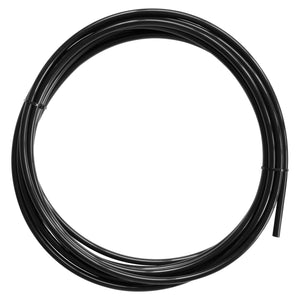
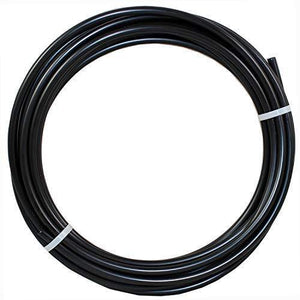
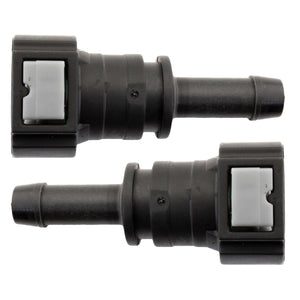
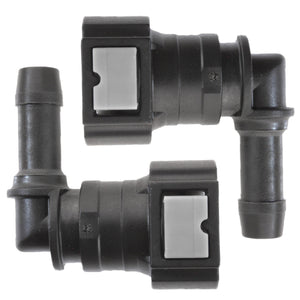
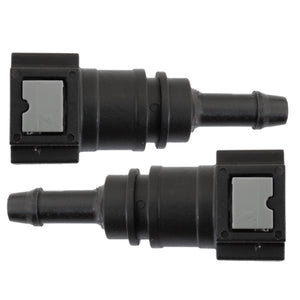
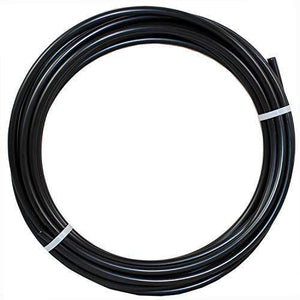
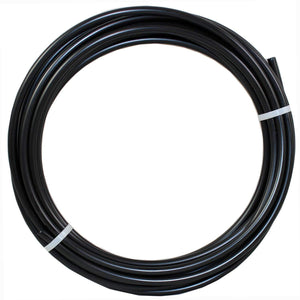
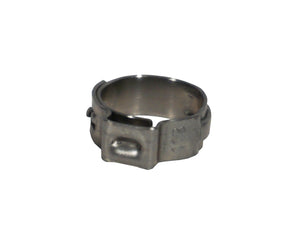
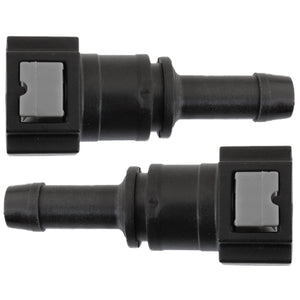
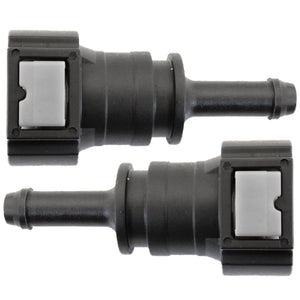
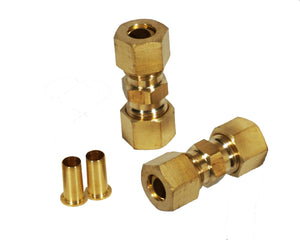
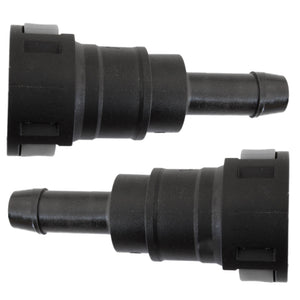
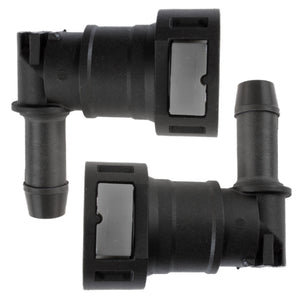
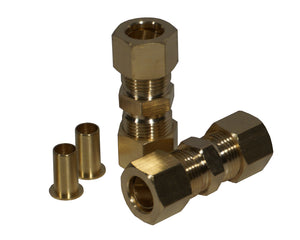
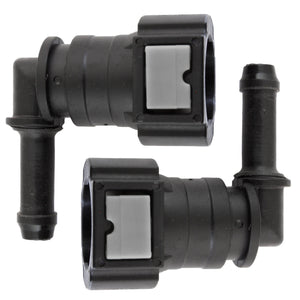
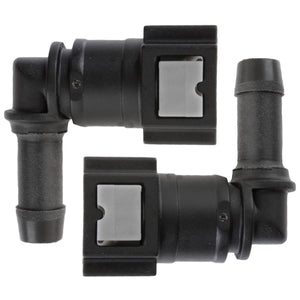
This collection covers the most common fuel line repair scenarios: compression unions that join steel or nylon fuel lines without flaring, quick connects for OE-style push-fit repairs on late-model vehicles, nylon repair joiners for splicing damaged nylon fuel lines inline, and hose clamps to secure flexible fuel hose connections. Whether the damage is a cracked nylon line under the vehicle or a corroded steel line at the fuel rail, there's a fitting here that handles it.
How to Choose Your Fuel Line Repair Kit
Start with line size — measure the outside diameter of your existing line. Nylon fuel line repair tubing is available in 1/4" x 25', 5/16" x 25', 3/8" x 25', and 1/2" x 25' coils.
Then pick the connection style: push-on connectors join a steel line to nylon tubing in straight or 90° configurations — including step sizes like 5/16" steel to 3/8" nylon. A fuel line compression union joins line without flaring, and nylon fuel line hose clamps secure flexible hose connections.
FAQ
Nylon or steel line for the repair?
Nylon repair tubing is the fast route for most rusted or cracked lines: it won't corrode, it routes around obstacles easily, and it connects to your existing steel line with push-on or compression fittings. Repairing in steel means cutting, bending, and flaring to match the original line.
What size fuel line do I have?
Measure the outside diameter of the existing hard line. The sizes in this collection — 1/4", 5/16", 3/8", and 1/2" — cover the common automotive fuel line diameters.
Do I need special tools?
For most push-on and compression repairs you just need a clean, square cut on the line and basic hand tools — no flaring tool required.